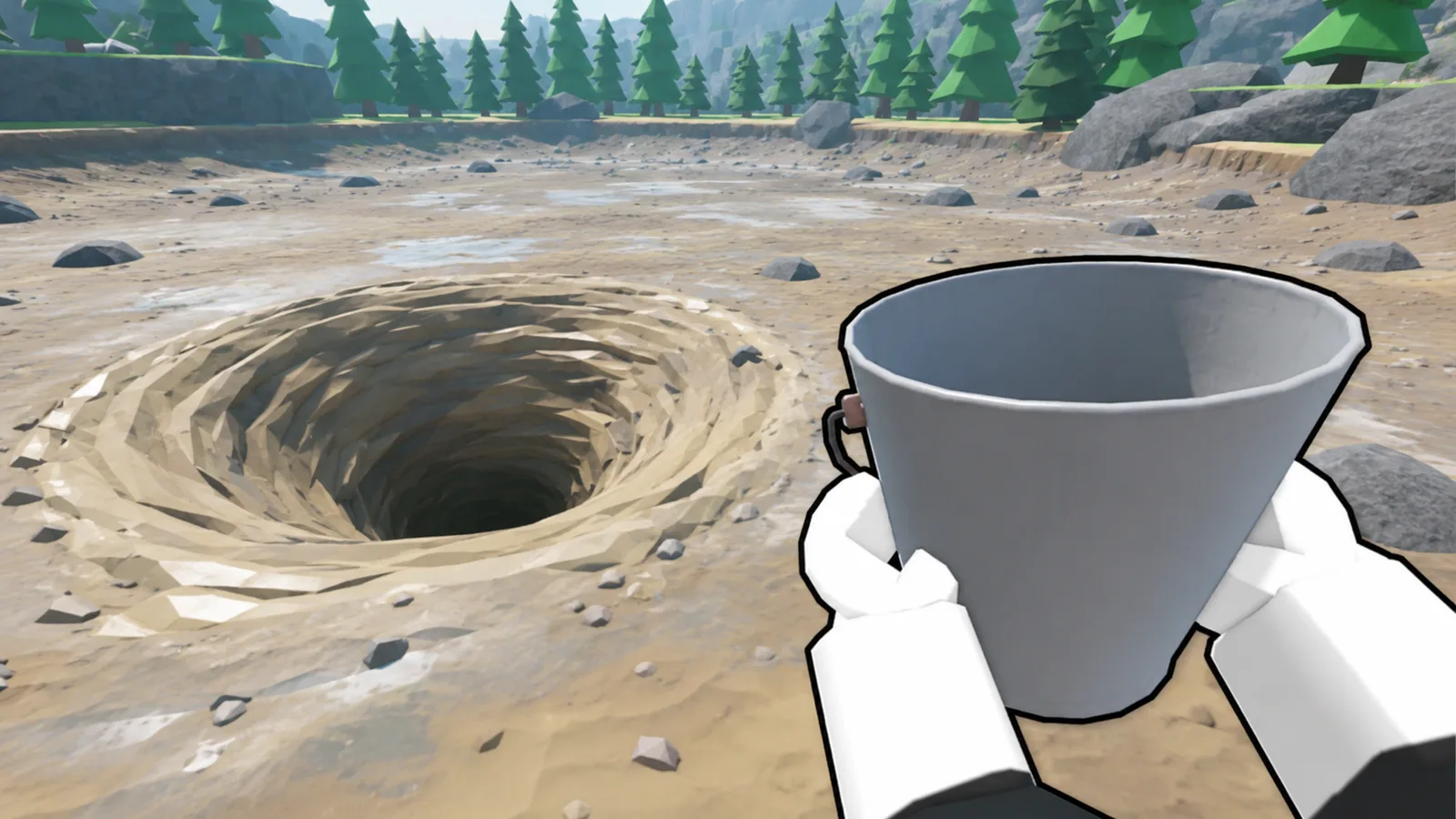
Quick answer: Observe one full bucket trip, identify its slowest part and buy an upgrade that changes that part. Recheck after the next purchase instead of following a fixed tier order.
Choose by the problem you can see
| Your loop feels slow because… | Read the upgrades affecting… | Check the result |
|---|---|---|
| The bucket takes too long to fill | Filling speed | Time spent at the water |
| You make too many small trips | Bucket capacity | Water carried per trip |
| Walking dominates the run | Movement / travel | Time returning to the drain |
| Pouring is the longest wait | Drain speed | Time at the draining point |
| Trips are quick but income is weak | Token rewards | Tokens per completed cycle |
A practical early-run plan
Start with an affordable improvement that helps repeated trips. Compare a capacity purchase with a speed purchase using your current route. When one upgrade makes another part of the trip slower by comparison, switch focus instead of buying the same branch indefinitely.
These are effect categories and editorial decision rules, not a claim that every build uses these exact node names. Exact costs and multipliers remain dependent on the current tree.
Estimate payback before saving for a big node
Record Tokens earned during a short, consistent time window. After upgrading, repeat the same window on a comparable route. If the increase is 20 Tokens per minute and an upgrade costs 100 Tokens, the simple payback is five minutes. Those numbers are an example, not measured game rates.
When to push deeper
- Make sure you can repeat the current route comfortably.
- Compare the next unlock with a cheap improvement to your current loop.
- Recheck travel and hazards when the water level changes.
- Read reset rules; do not assume a run upgrade survives the end of the run.
Sources & review notes
Reviewed October 5, 2026. Public-source research; no claim of fresh in-game testing. Follow current game menus if a later update changes a requirement.